
1. Introduction: The Rise of Thermal Imaging in ADAS
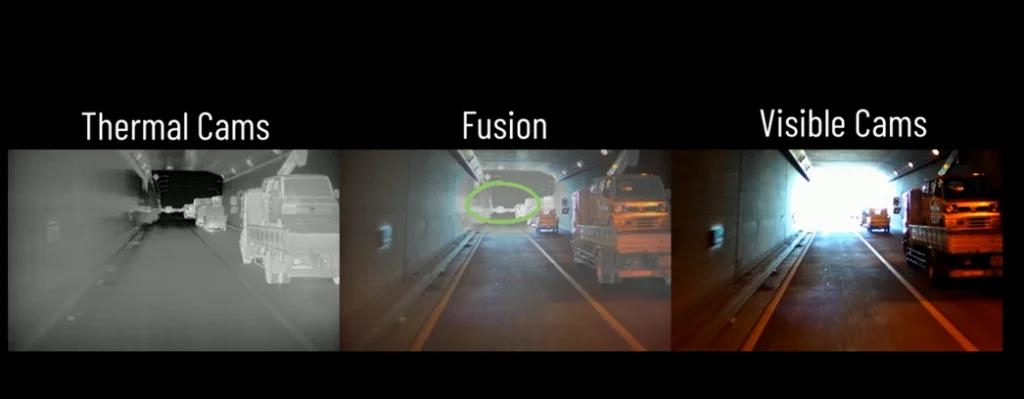
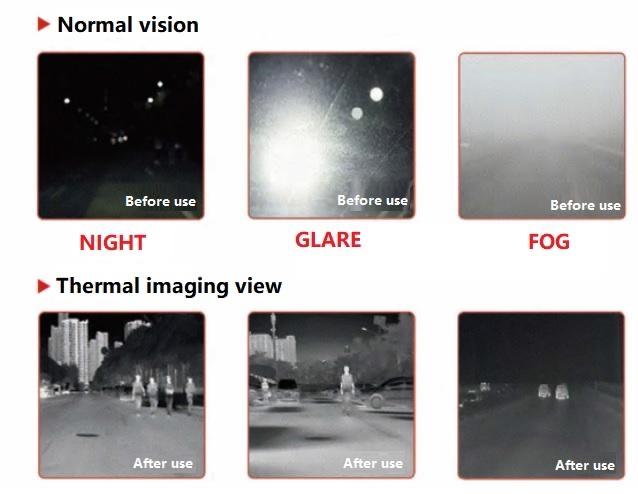
Advanced Driver Assistance Systems (ADAS) and Autonomous Vehicles (AV) rely heavily on sensor fusion to perceive the environment. While cameras, LiDAR, and radar excel in clear conditions, they struggle in low-light, fog, glare, and dust.
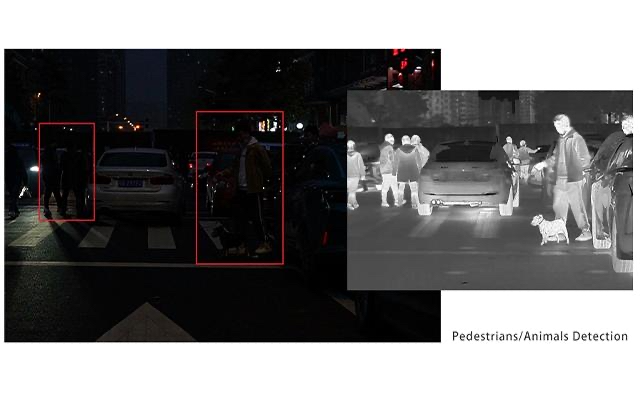
Long-Wave Infrared (LWIR) thermal cameras are the ultimate solution, providing thermal signatures of pedestrians, animals, and vehicles in absolute darkness. However, to guarantee the integrity of thermal imagery under harsh automotive environments, the core sensor requires continuous calibration. This is where the mechanical shutter plays an indispensable role.
2. The Core Challenge: Thermal Drift in Vehicle Environments
Uncooled microbolometers (the sensors used in thermal cameras) are highly sensitive to temperature changes. In automotive applications, the sensor environment is extremely volatile due to:
Engine Heat
High-temperature dissipation from the vehicle engine.
Weather Volatility
Rapid transitions between freezing winters (-40°C) and hot summers (+85°C to +105°C under the hood).
Solar Radiation
Direct sunlight hitting the camera housing.
As the camera housing and lens heat up, they emit their own infrared radiation, which falls onto the detector. This creates Thermal Drift and Non-Uniformity, visible as blurry halos, “ghost” images, and inaccurate temperature measurements on the screen.
3. Shutterless Algorithms vs. Shutter-Based NUC
Some manufacturers attempt to use software-only “shutterless” algorithms for Non-Uniformity Correction (NUC). While shutterless designs eliminate mechanical parts, they introduce fatal risks for automotive safety:
| Metric | Shutterless Algorithms | Shutter-Based NUC (KUYANG) |
| Accuracy under Rapid Temp Changes | Poor (Algorithms struggle to predict sudden thermal gradients) | Excellent (Physical shutter provides an absolute reference) |
| Image Ghosting (Residual Artifacts) | High risk (Static objects can burn into the image) | Zero Risk (Frequent recalibration clears sensor memory) |
| Safety Redundancy | Insufficient for Level 3+ Autonomous Driving | Industry Standard (Provides physical fail-safe calibration) |
| Computational Overhead | High (Requires continuous, heavy algorithmic processing) | Low (Simple mechanical calibration relieves processor load) |
For automotive applications, safety redundancy is non-negotiable. A physical shutter blade ensures that regardless of how fast the under-hood temperature changes, the sensor is calibrated against a uniform, physical blackbody reference every few minutes (or when temperature shifts exceed a specific threshold).
4. Engineering Requirements for Automotive-Grade Shutters
To be integrated into automotive night vision systems, a mechanical shutter must meet rigorous automotive-grade standards:
- Extreme Temperature Operation
Must operate flawlessly from -40°C to +105°C. Lubricants must not freeze at low temperatures, and materials must not warp or degrade at high temperatures. - Vibration and Shock Resistance
Must withstand continuous road vibration (automotive profile) and sudden mechanical shocks (e.g., driving over potholes) without mechanical binding or accidental actuation. - Ultra-High Durability (MTBF)
Vehicle lifecycles demand component lifespans of 10 to 15 years. The shutter actuator must achieve over 500,000 to 1,000,000 cycles without failure. - Quiet and Rapid Actuation
The calibration process should be seamless and quiet, with a transition time of under 100 milliseconds to minimize image interruption (freezing). - The KUYANG Automotive Solution: 40 Years of Reliability
KUYANG has spent 40 years perfecting precision miniature solenoid and shutter technology. Our automotive-grade optical shutters are built to exceed the toughest industry demands:
Custom Solenoid Engineering
Our proprietary electromagnetic actuators are designed to operate without volatile lubricants, preventing freezing at -40°C.
High-Uniformity Coating
Our shutter blades are treated with a specialized matte black coating with a stable, high emissivity rate, providing the perfect uniform reference for uncooled detectors.
Integrated FPC Design
Minimizes wire routing bulk and protects connection terminals from road vibrations, preventing solder joint fatigue.
Standard Automotive Model: KYSU224-Auto
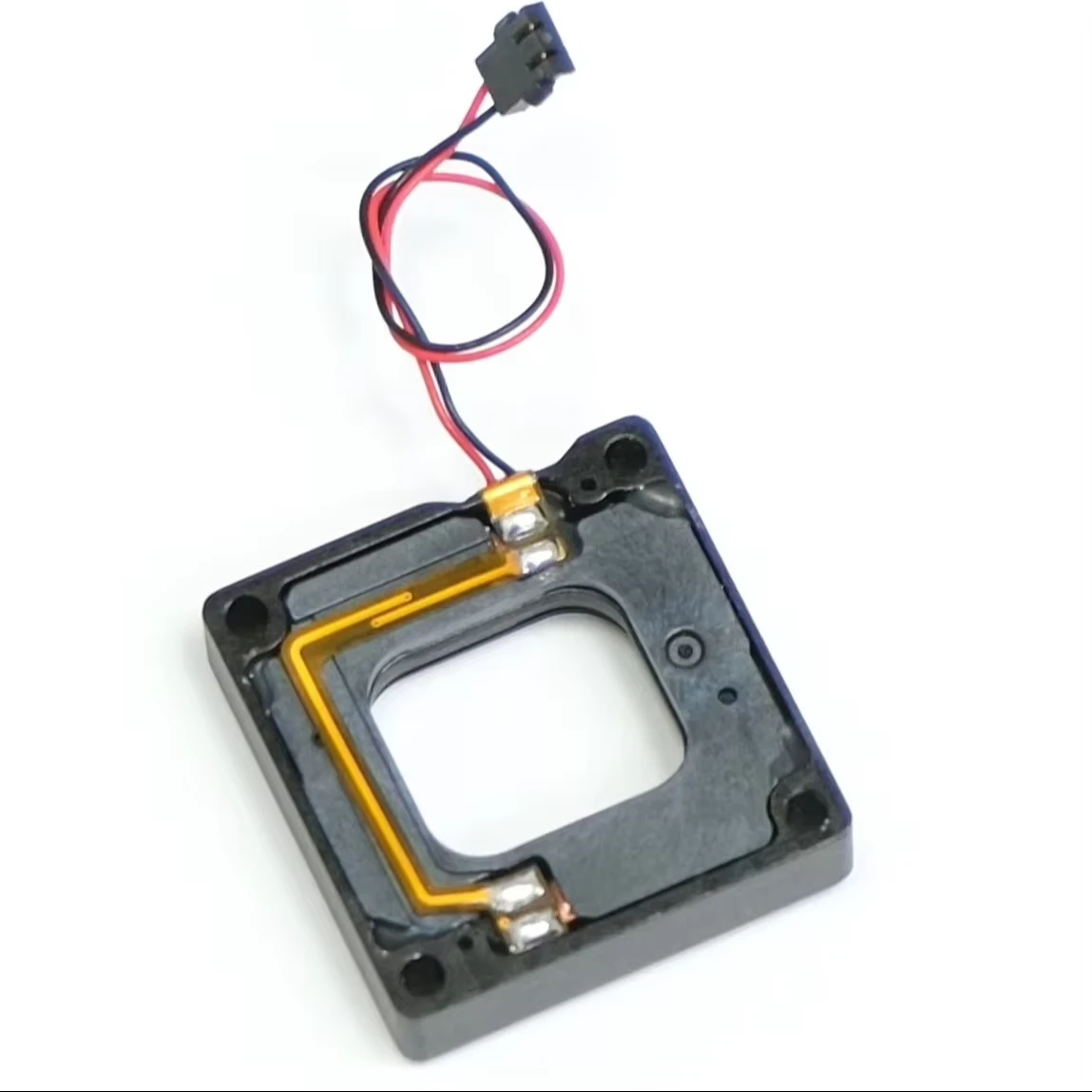
Dimensions
19.4mm x 18.8mm x 4.3mm
Aperture
10.2mm x 9.2mm (Optimized for 640×512, 12μm detectors)
Actuation Speed
< 50ms
Cycle Life
Tested beyond 1,000,000 cycles
Conclusion
As automotive ADAS moves toward Level 3 and Level 4 autonomy, the reliability of uncooled LWIR cameras cannot be compromised. Shutter-based NUC remains the gold standard for safety-critical thermal imaging. By pairing 40 years of precision engineering with automotive-grade materials, KUYANG delivers the ultimate calibration reliability to global ADAS and AV developers.
For CAD drawings, 3D STEP files, and custom design requests, contact our engineering support at kuma@ky-ele.com or visit www.ky-ele.com.