
1. Introduction: The WLP Revolution in Uncooled Thermal Sensors
The uncooled Long-Wave Infrared (LWIR) market has undergone a dramatic transformation driven by Wafer-Level Packaging (WLP). By performing vacuum packaging directly at the wafer level rather than using expensive metal or ceramic chip-scale packages, major detector manufacturers (such as InfiRay, Guide Sensmart, and Lynred) have reduced the physical size of thermal sensors by up to 50% and slashed manufacturing costs.
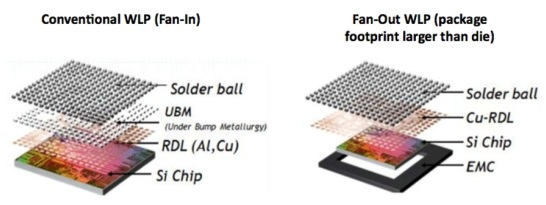
WLP detectors are driving uncooled thermal cameras into consumer electronics, outdoor hunting scopes, UAV gimbals, and compact IoT sensors. However, these ultra-compact sensors still require physical Non-Uniformity Correction (NUC). Designing a shutter that matches the tiny footprint of a WLP detector without sacrificing optical performance is a major engineering challenge.
2. The SWaP Challenge: Shrinking Detectors Demand Ultra-Compact Shutters
As thermal imaging modules pursue the SWaP (Size, Weight, and Power) philosophy, the mechanical components surrounding the sensor must shrink proportionally.
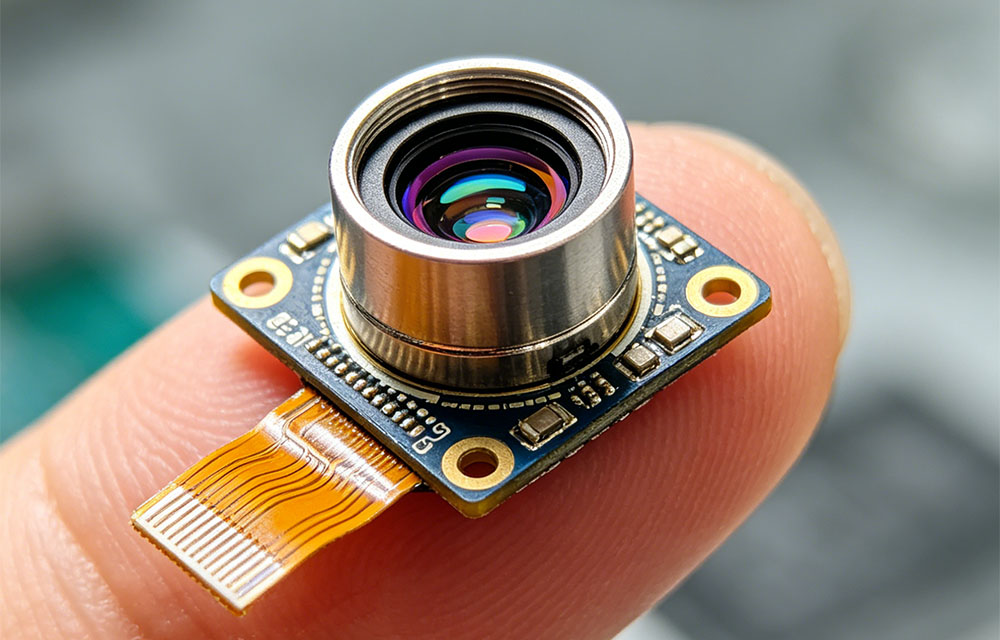
With 8μm pixel-pitch WLP detectors, a complete camera core can now be as small as 17.3mm x 17.3mm or even smaller. Traditional mechanical shutters, with bulky solenoid actuators and thick wiring harnesses, are simply too large.
The shutter design must achieve:
- Minimal Thickness (< 4mm): To fit between the rear element of the lens and the FPA (Focal Plane Array) window without increasing the back-focal length.
- Featherweight Build (< 2g): To prevent weight imbalances in drone gimbals or portable thermal scopes.
- Low Actuation Current: To operate within the tight power constraints of battery-powered micro-cores.
3. Engineering Bottlenecks: Solving the “Space vs. Aperture” Conflict
Shrinking a shutter module introduces a physical conflict: How do you maximize the optical aperture while minimizing the overall frame size?
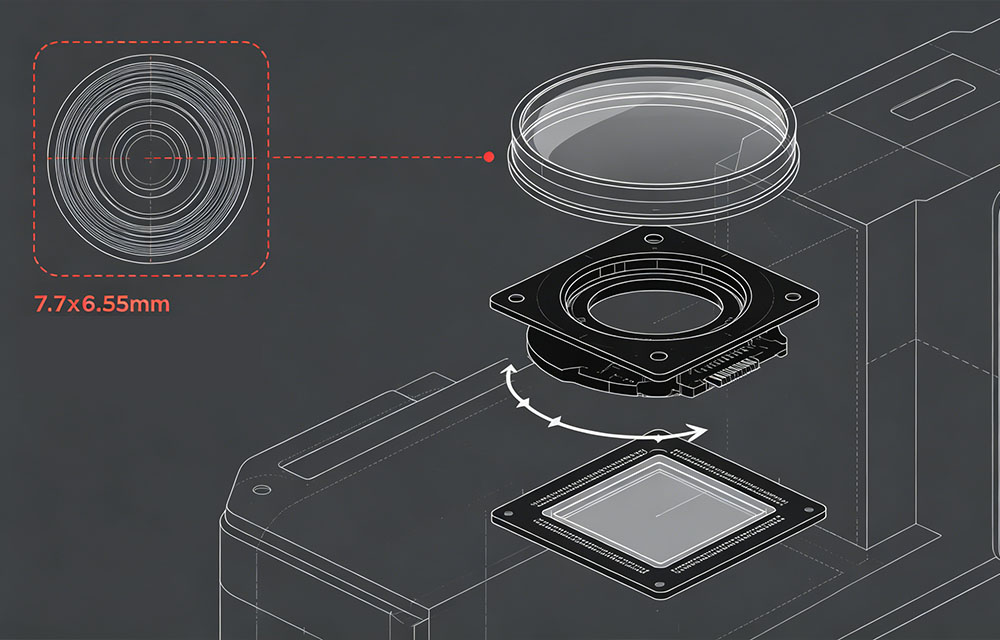
- Aperture Clearance: If the clear aperture is too small, it will vignette the optical path, cutting off the edges of the thermal image (especially in wide-angle lenses).
- Blade Swing Path: A swing-type shutter requires a physical clearance area for the blade to rotate completely out of the optical path. In a 13x13x3.46mm tight housing, managing this sweep path without colliding with the frame is extremely difficult.
- Flatness & Emissivity: A thinner shutter blade is prone to warping. Even slight deformation can alter the angle of reflection during NUC, degrading the calibration accuracy.
4. KUYANG’s Innovation: FPC-Integrated Compact Design
Drawing on 40 years of precision shutter design, KUYANG engineered the KYSU233X (13x13x3.46mm) Series to perfectly resolve the “Space vs. Aperture” bottleneck for WLP detectors.
Our design integrates several key innovations:
4.1 Embedded FPC (Flexible Printed Circuit) Architecture
Traditional wires soldered to solenoids are vulnerable to mechanical fatigue and require extra physical routing clearance. KUYANG integrates a flat, gold-plated FPC directly onto the surface of the black composite frame.
- Space Saved: Eliminates 1.5mm of wire-routing thickness.
- Durability: Fully flush-mounted, offering superior resistance to shock and vibration.
- Solder Integrity: High-reliability flat solder joints prevent wire pull-out during assembly.
4.2 Micro-Solenoid with Optimized Flux Density
By redesigning the magnetic core and copper coil windings, we achieved high holding and actuation force in a solenoid frame measuring just a few millimeters. This allows the shutter to reliably snap open and closed at operating voltages as low as 3.0V DC.
4.3 Window-Type Swing Blade Geometry
Instead of a crude circular disk, our shutter blades use mathematically optimized profiles that sweep cleanly inside a 13mm x 13mm x 3.46mm frame while clearing a generous 7.7mm x 6.55mm aperture—perfectly exposing a 640×512 micro-core without vignetting.
5. Compatibility & Technical Specs (Model: KYSU223X)
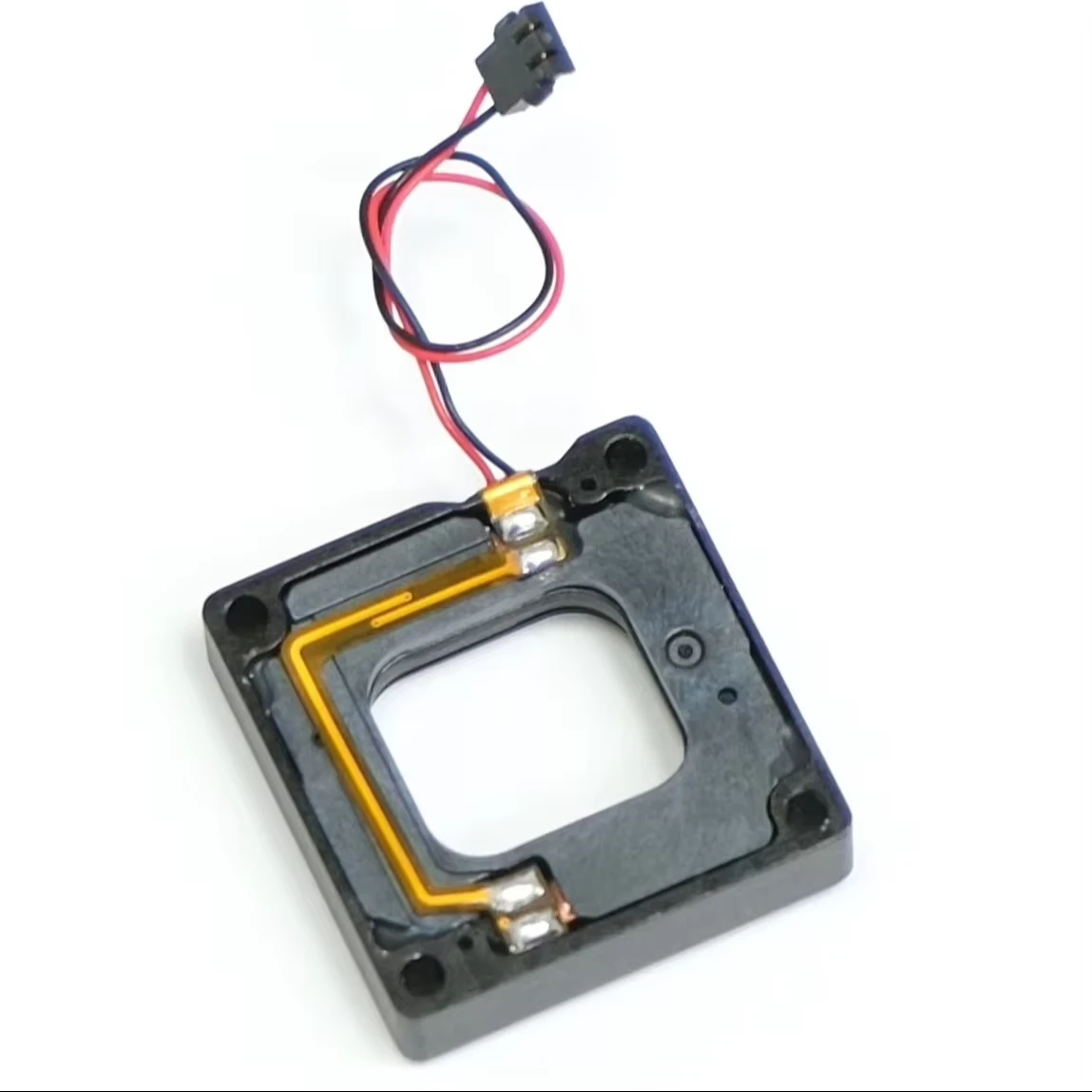
The KYSU233X is the benchmark shutter for WLP micro-cores, offering universal compatibility:
| Parameter | Specification | Advantage for WLP Modules |
|---|---|---|
| Overall Dimensions | 13mm x 13mm x 3.46mm | Fits 13mm to 20mm micro-cores seamlessly |
| Optical Aperture | 7.5mm x 6.55mm | Clear path for 384×288 and 640×512, 12μm sensors |
| Weight | ~3.8 grams | Negligible impact on drone gimbal payloads |
| Response Time | < 50 milliseconds | Near-instantaneous NUC frame freeze |
| Integration | Flushed FPC, standard soldering pads | Rapid SMD-like integration into sensor PCBs |
Conclusion
The WLP revolution has democratized thermal imaging, but high-quality imaging still relies on the precision of physical calibration. As detectors shrink, the mechanical shutter must evolve from a separate “accessory” into a highly integrated “micro-module.” With FPC integration, compact solenoids, and 40 years of manufacturing excellence, KUYANG is leading this evolution, helping global engineers build smaller, lighter, and more accurate thermal camera cores.
For custom housing modifications, step-files, or sample orders, contact our global technical sales at kuma@ky-ele.com or visit www.ky-ele.com